Livestock
Low Feedlot Placements Signal Tight U.S. Cattle Supplies Into 2027
Historically low feedlot placements are signaling continued tightness in U.S. cattle supplies as herd rebuilding begins. The October 2026 outlook lowered beef production forecasts for both 2026 and 2027 while raising the fourth-quarter feeder steer price forecast.
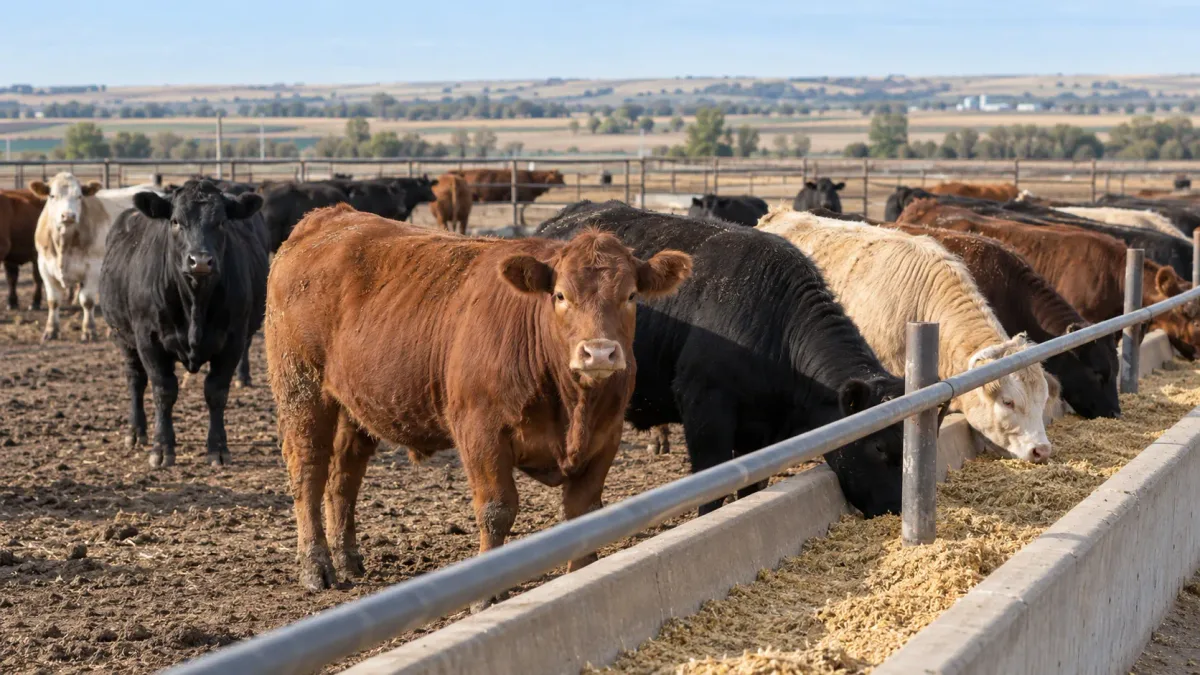
U.S. feedlot placements remain at historically low levels as cattle supplies stay tight and some producers retain more heifers for herd rebuilding, according to the October 2026 Livestock, Dairy, and Poultry Outlook.
The latest data present a more complicated picture than feedlot inventory alone suggests. Cattle and calves on feed on September 1 totaled slightly more than a year earlier, but the number of cattle entering feedlots during August was sharply lower than the same month in 2025.
The Economic Research Service expects the tight cattle supply and slower slaughter pace to continue influencing beef production into 2027. It lowered its beef production forecasts for both years while also raising its near-term feeder steer price forecast.
The outlook remains a national forecast rather than a prediction for an individual cattle operation. Local feeder prices, feed costs, cattle weights, basis, transportation and marketing arrangements can differ substantially from national averages.
Key Facts
- U.S. feedlot inventory on September 1, 2026, was estimated at 11.163 million head, 0.7% above the 11.080 million head reported a year earlier.
- August 2026 net feedlot placements totaled 1.565 million head, 9.5% below August 2025, while marketings totaled 1.519 million head, down 3.3% from a year earlier.
- ERS says historically low cattle supplies are the main reason for reduced placements, with increased heifer retention as producers begin rebuilding herds also contributing.
- The 2026 U.S. beef production forecast was lowered slightly to 24.802 billion pounds because of a slower slaughter pace and slightly lighter anticipated carcass weights.
- The 2027 beef production forecast was reduced by 160 million pounds from the previous outlook to 24.675 billion pounds.
- The fourth-quarter 2026 feeder steer price forecast was raised by $8 to $343 per cwt, while the 2027 forecast remained unchanged at $342.50 per cwt.
What the Source Reported
The Economic Research Service says cattle entering U.S. feedlots remain at historically low levels despite a modest year-over-year increase in the total number of cattle already on feed.
The September 1 feedlot inventory was estimated at 11.163 million head, 0.7% above the 11.080 million head reported one year earlier. That higher inventory does not mean cattle supplies have broadly recovered. August net placements were 1.565 million head, 9.5% below a year earlier, while August marketings were also lower at 1.519 million head.
ERS defines net placements as total placements minus other disappearance. Placements normally rise seasonally after June, but the agency says the 2026 summer totals remain historically low.
The report attributes the reduced flow of cattle into feedlots primarily to historically tight cattle supplies. Increased heifer retention also appears to be playing a role as some producers begin rebuilding breeding herds. Retaining more heifers can reduce the number of females moving into feedlots in the short term while potentially increasing future breeding inventory.
Mexican cattle imports are expected to offset only part of the domestic supply decline. The Santa Teresa, New Mexico, port reopened to Mexican cattle on September 24, joining Douglas, Arizona, as the two permitted ports assumed in USDA's current outlook. ERS raised expected placements during the first half of 2027 partly because it anticipates increased Mexican cattle volumes through those crossings.
The production outlook was also revised lower. ERS reduced its third-quarter 2026 beef production estimate by 35 million pounds and its fourth-quarter estimate by 40 million pounds, reflecting a slower slaughter pace and slightly lighter expected carcass weights. The full-year 2026 forecast now stands at 24.802 billion pounds.
For 2027, the forecast was reduced by 160 million pounds from the previous outlook to 24.675 billion pounds. ERS expects the relatively slow slaughter pace to continue next year.
Feeder cattle prices have remained stronger than the agency previously expected. The September weighted-average price for 750- to 800-pound feeder steers at the Oklahoma City National Stockyards was $347.69 per cwt. ERS raised its fourth-quarter 2026 feeder steer forecast by $8 to $343 per cwt while leaving its 2027 forecast unchanged at $342.50 per cwt.
Why It Matters
Feedlot placements provide an early look at the number of cattle moving toward the fed-cattle supply chain. When placements remain unusually low, fewer cattle may be available for marketing later, although the timing depends on placement weights, days on feed, slaughter pace and other factors.
For cow-calf producers, the combination of limited feeder cattle supplies and stronger feeder prices can be important when reviewing marketing plans. The national forecast, however, should not be treated as a guaranteed local price. Auction results, cattle quality, weight, location, transportation and regional demand can produce very different outcomes.
For cattle feeders, high feeder cattle values affect one side of the margin calculation. Feed prices, cost of gain, interest costs, death loss, finished cattle prices and performance remain equally important when evaluating whether a group of cattle works financially.
The report's reference to heifer retention is also worth watching. Rebuilding the breeding herd requires keeping some females out of the feeder-cattle pipeline. That can add to near-term supply tightness even though the longer-term goal is to rebuild cow numbers and future calf supplies.
The production forecasts point to continued limits on U.S. beef output rather than an immediate return to larger supplies. ERS now expects slightly less beef production in both 2026 and 2027 than it projected one month earlier.
Mexican cattle imports may add animals to the U.S. feeder supply, but ERS expects those imports to offset only part of the domestic shortfall. Producers should therefore separate the national supply outlook from assumptions about their own local feeder market.
What to Watch Next
The next major cattle data release to watch is the October Cattle on Feed report, scheduled for October 23, 2026. It will provide updated feedlot inventory, placements and marketings and will also give a breakdown of steers and heifers on feed.
That steer-and-heifer breakdown will be especially useful for evaluating the herd-rebuilding story. A change in the number of heifers on feed can provide additional evidence about whether producers are retaining more females for breeding.
Mexican cattle movements through the Santa Teresa and Douglas ports are another important measure. ERS expects higher import volumes to support feedlot placements during the first half of 2027, but the October outlook assumes those two ports remain the permitted entry points.
The pace of cattle slaughter and carcass weights will also affect whether beef production follows the current forecast. ERS lowered its latest production estimates partly because slaughter has been slower than expected.
Feeder cattle prices should be evaluated alongside feed costs and finished cattle values rather than in isolation. Strong feeder prices can benefit sellers while increasing purchase costs for feedlots.
The next Livestock, Dairy, and Poultry Outlook is scheduled for November 17, 2026, when ERS will have another month of cattle, slaughter and market information available for its forecasts.
Related Farm Market Tool Resources
Source
USDA Economic Research Service
Livestock, Dairy, and Poultry Outlook: October 2026
Source published
https://ers.usda.gov/publications/115633
View original sourceFarm Market Tool provides agriculture news and data summaries for informational purposes. Verify important production and business decisions with original sources and appropriate local professionals. Read the Data Disclaimer.