Crop Markets
November Outlook Cuts U.S. Corn Production as Soybean Forecast Edges Higher
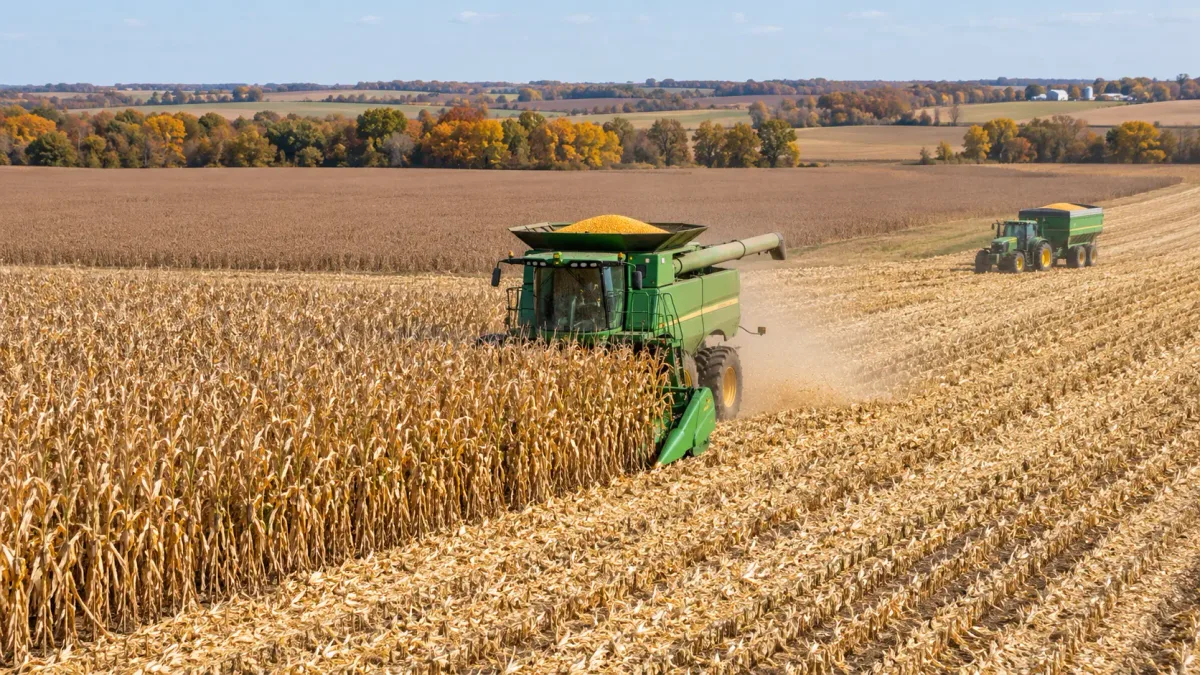
USDA's November outlook cut 2026/27 U.S. corn production by 141 million bushels from October as the yield forecast fell to 179.6 bushels per acre. Soybean production edged higher, but stronger projected use still lowered soybean ending stocks.
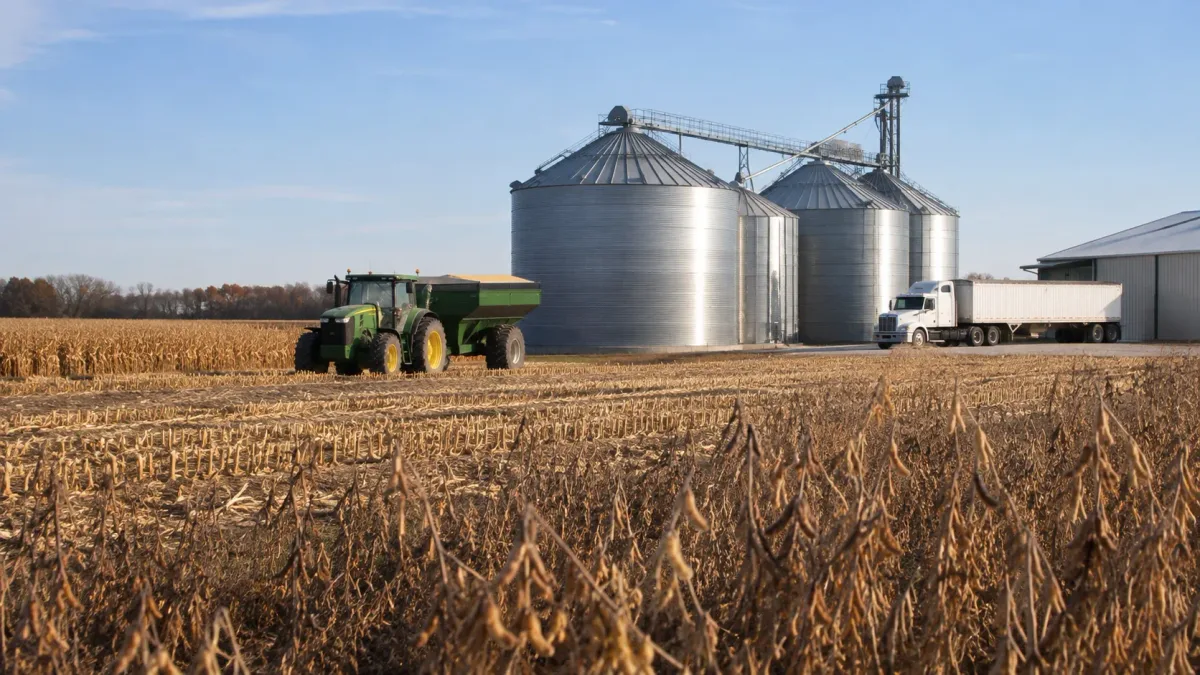
The November U.S. crop outlook tightened the corn balance sheet while making a smaller but important change to soybeans.
In its November 10 World Agricultural Supply and Demand Estimates, USDA lowered the 2026/27 corn yield and production forecasts from their October levels. The smaller crop was partly offset by reductions in projected feed use and exports, but not enough to prevent corn ending stocks from falling.
Soybeans moved in the opposite direction on production. USDA raised the national soybean yield slightly and added 12 million bushels to projected production. At the same time, stronger export and seed-use assumptions pushed total projected use higher, leaving fewer soybeans in ending stocks despite the larger crop.
The changes show why production figures are only one part of the market balance sheet. Supply, exports, feed demand, processing and other uses determine how much of a crop is ultimately expected to remain at the end of the marketing year.
These are national marketing-year projections rather than local cash bids or forecasts of where futures prices will trade.
Key Facts
- USDA lowered the 2026/27 U.S. corn yield forecast from 181.2 bushels per harvested acre in October to 179.6 bushels in November.
- U.S. corn production is now projected at 15.893 billion bushels, 141 million bushels below the October forecast of 16.034 billion.
- Projected corn ending stocks fell from 1.849 billion bushels in October to 1.758 billion in November, even after USDA lowered feed and residual use and exports by 25 million bushels each.
- The U.S. soybean yield forecast increased from 53.1 to 53.3 bushels per acre, lifting projected production from 4.562 billion to 4.574 billion bushels.
- Projected soybean exports increased by 25 million bushels to 1.720 billion, while ending stocks declined from 315 million to 300 million bushels.
- USDA lowered the projected 2026/27 season-average corn farm price from $4.70 to $4.60 per bushel while raising the soybean projection from $12.00 to $12.10 per bushel.
What the Source Reported
The November WASDE revised the U.S. corn balance sheet primarily through a lower yield forecast.
USDA left projected harvested corn acreage unchanged at 88.5 million acres but reduced the national yield from 181.2 bushels per acre in October to 179.6 bushels in November. As a result, projected production declined from 16.034 billion to 15.893 billion bushels.
That 141-million-bushel production reduction lowered projected total corn supply from 18.154 billion to 18.013 billion bushels.
USDA also reduced some corn-use assumptions. Feed and residual use fell by 25 million bushels to 5.975 billion, while projected exports were lowered by another 25 million to 3.275 billion bushels. Food, seed and industrial use was unchanged at 7.005 billion bushels, including 5.650 billion bushels projected for ethanol and by-product use.
The combined 50-million-bushel reduction in projected use offset part of the smaller crop. Even so, corn ending stocks fell by 91 million bushels from the October outlook, reaching 1.758 billion bushels.
The soybean revision followed a different pattern.
Harvested soybean acreage remained unchanged at 85.9 million acres, while the national yield forecast increased from 53.1 to 53.3 bushels per acre. That lifted projected production by 12 million bushels to 4.574 billion.
Soybean crush remained unchanged at 2.780 billion bushels, but projected exports increased from 1.695 billion to 1.720 billion bushels. Seed use also increased from 73 million to 76 million bushels, while residual use declined slightly.
Those changes raised total soybean use from 4.587 billion to 4.614 billion bushels. Because projected use increased by more than supply, soybean ending stocks declined from 315 million to 300 million bushels even though the production forecast increased.
USDA also changed its season-average farm-price projections. Corn was reduced by 10 cents to $4.60 per bushel, while soybeans increased by 10 cents to $12.10 per bushel.
Why It Matters
The November revisions illustrate why a smaller crop does not automatically translate into a higher national price forecast.
Corn production was reduced by 141 million bushels and ending stocks were lowered by 91 million, which makes the projected balance sheet tighter than it was in October. At the same time, USDA also lowered expected feed use and exports and reduced its season-average corn farm-price projection by 10 cents.
For growers, that is an important distinction. Supply matters, but so do the assumptions about how much corn will be consumed, exported, processed or carried into the next marketing year.
Soybeans provide the opposite example. The production forecast increased slightly, but ending stocks still fell because projected use increased by a larger amount. Higher exports were the largest part of that change.
That means farmers reviewing marketing or storage plans should look beyond the headline production number. Ending stocks and changes in projected demand can sometimes move in a different direction from production.
The price figures in WASDE also require context. USDA's season-average farm price is a national marketing-year projection. It is not the same as a current local elevator bid, basis level, or futures price.
Individual farm decisions still depend on local basis, storage costs, cash-flow needs, contracted bushels, production costs and the actual grain available to sell.
The November report therefore provides an updated national supply-and-demand framework rather than a direct signal to sell, store or hedge grain.
What to Watch Next
The next WASDE report is scheduled for December 10, 2026. That report will provide another update to U.S. and global supply-and-use projections.
For corn, exports and feed use are important numbers to watch after both were reduced by 25 million bushels in November. Ethanol use was unchanged, so changes in the other major demand categories could determine whether projected ending stocks tighten or loosen further.
Later production revisions also remain important. November's corn production reduction came from a lower yield estimate rather than a change in harvested acreage.
For soybeans, export demand deserves particular attention. USDA raised projected exports by 25 million bushels in November, which was the largest change responsible for stronger projected soybean use.
Soybean crush is another useful benchmark even though the November forecast was unchanged. Changes in domestic processing demand could alter the amount of soybeans expected to remain at the end of the marketing year.
Growers comparing these national projections with their own marketing plans should continue to track local cash bids, basis, storage costs and contractual needs separately from the WASDE balance sheet.
Related Farm Market Tool Resources
Source
USDA World Agricultural Outlook Board (WAOB)
World Agricultural Supply and Demand Estimates
Source published
https://esmis.nal.usda.gov/sites/default/release-files/796142/wasde1126.txt
View original sourceFarm Market Tool provides agriculture news and data summaries for informational purposes. Verify important production and business decisions with original sources and appropriate local professionals. Read the Data Disclaimer.